The world of Anemi is a world I am crafting around my original species, the miyoa. They’re an open species, if anyone would like to make one of their own! There are other species in this world, as well, which I’ll discuss another time~
(image by TanashiGrowly)
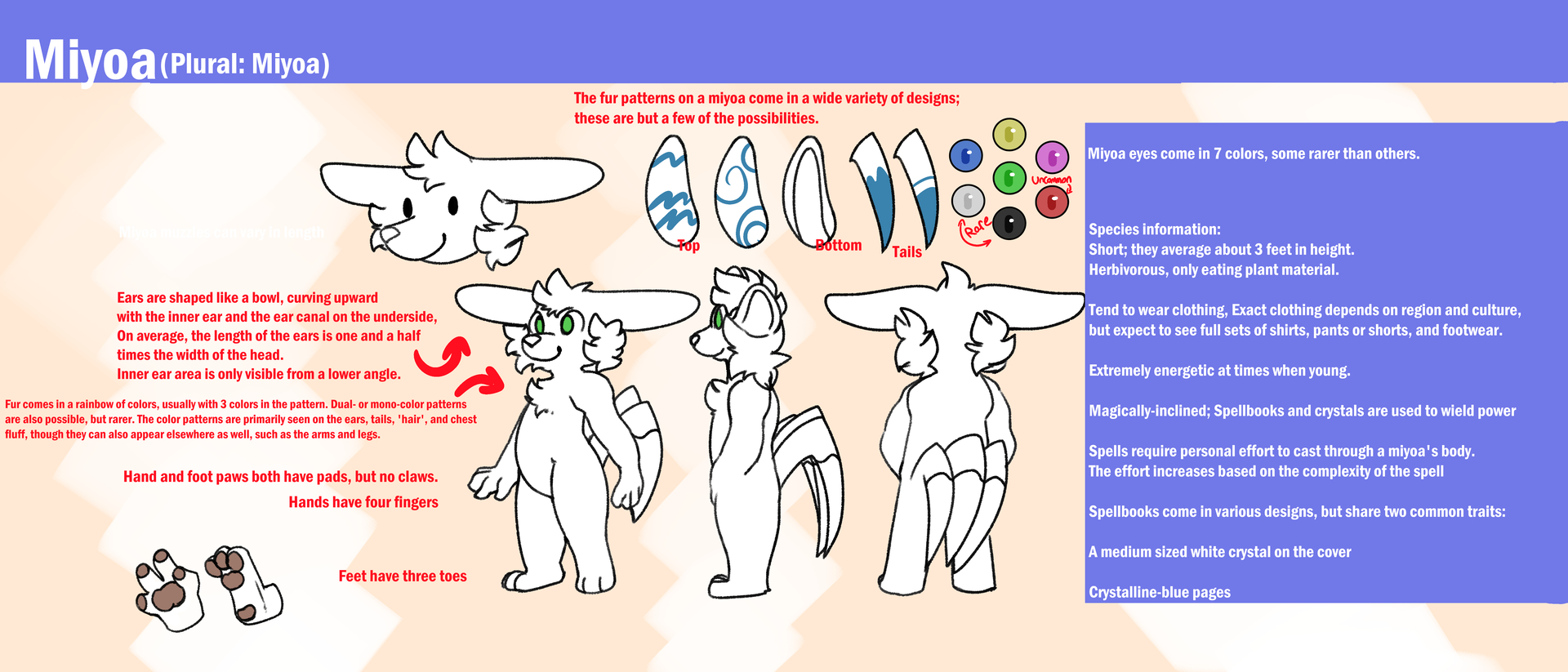
Miyoa are short, fuzzy creatures, around 3 feet tall on average. Their homeworld, Anemi, is filled with magic that permeates everything, living or dead, organic or inorganic; due to this, the miyoa are innately able to sense and manipulate the magic of the planet. They can channel it through their bodies into many different forms, much like you’d see of magic in fiction. The act of doing this takes a toll on their bodies, however, and can harm them if they try to cast too strong a spell. At the very least, it can tire them out immensely! Thus, they typically cast smaller, more basic spells, and leave complicated spells to casting aids they’ve invented.
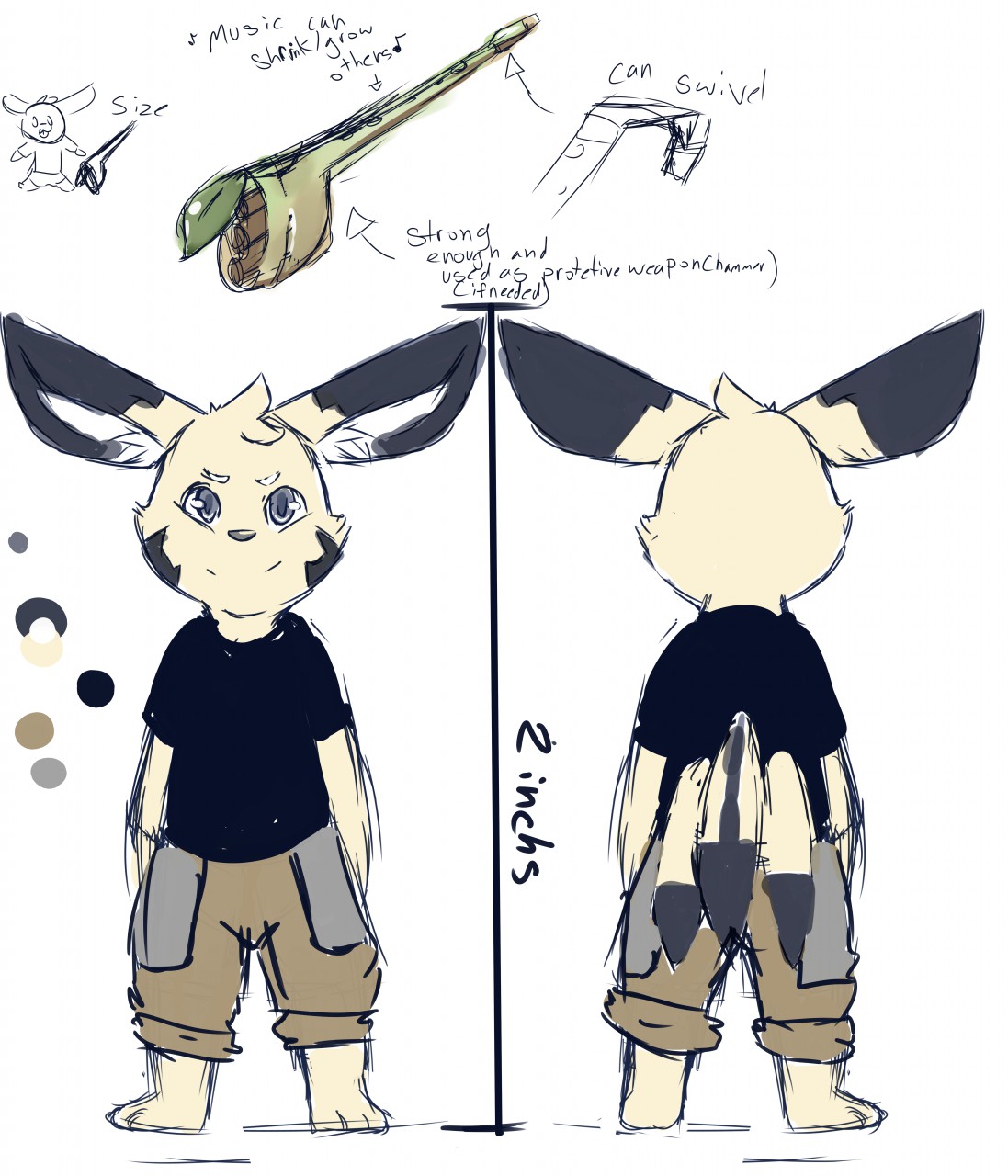
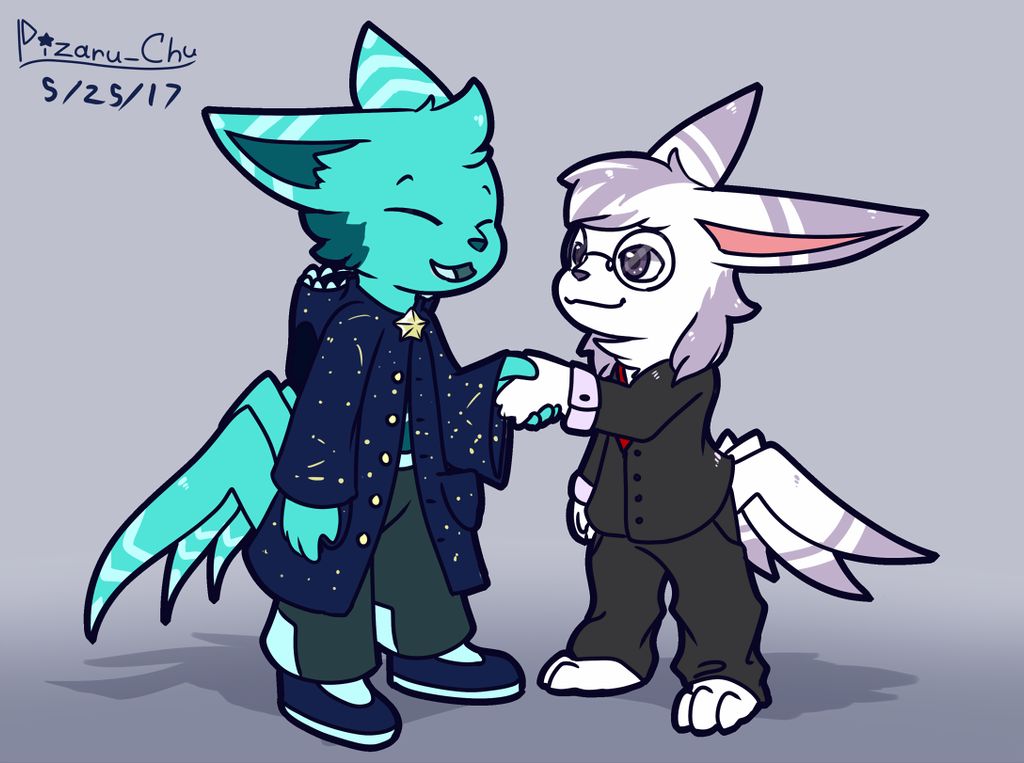

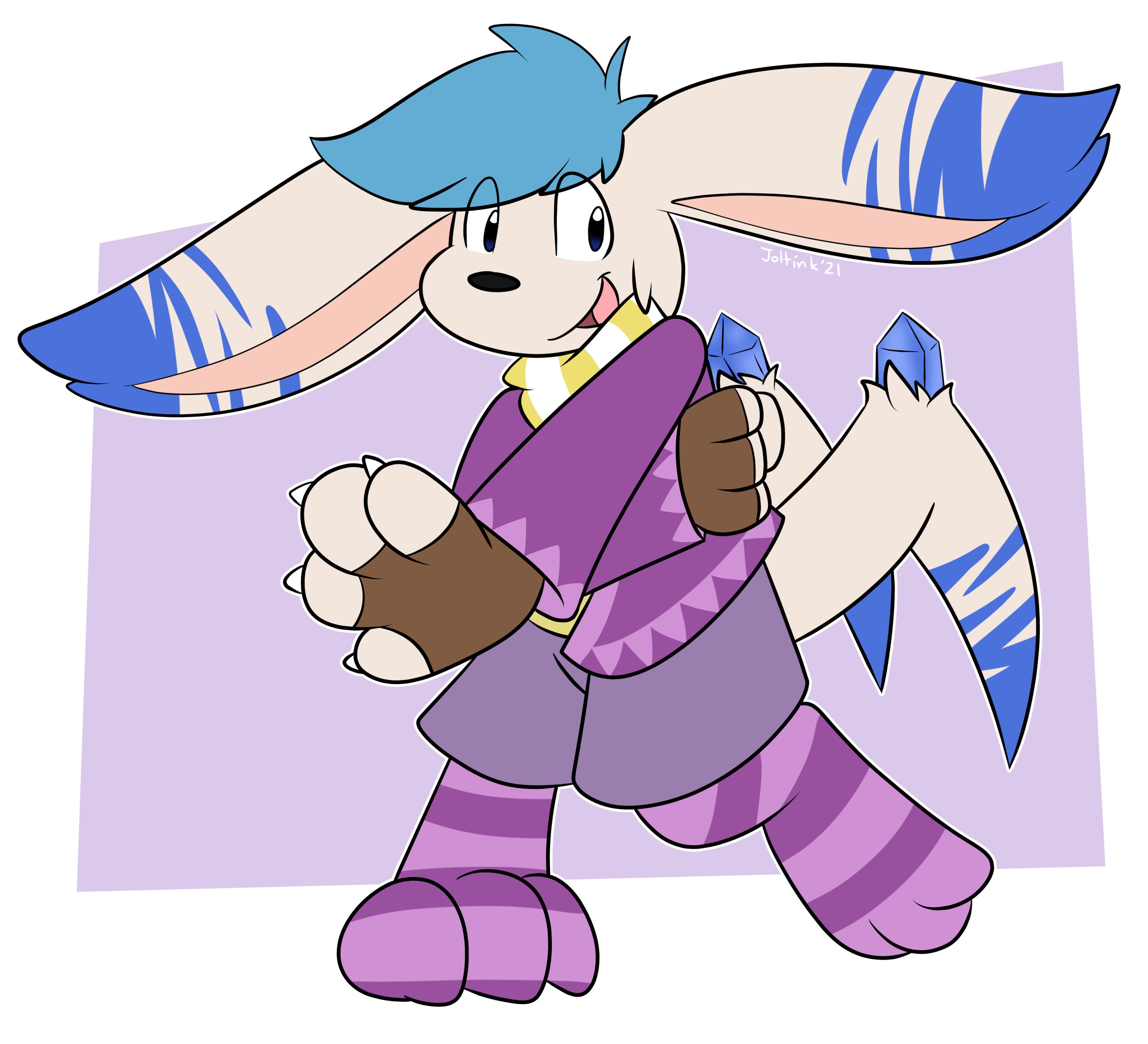
(images by: gearwurk, raokurai, joltink, and destinyzekrom)
Miyoa come in many different body shapes and colors - pretty much a rainbow! Their fur patterns can be intricate and complex, typically between 2-4 distinct colors, and primarily localized to the ears and tails, though body patterns are common as well. Their eyes can be one of seven colors: Yellow, blue, green, violet, red, white, and black, with red being uncommon, and white and black being extremely rare. Their ears are incredibly long, typically no shorter than twice the width of their head, and tend to be sensitive; a miyoa’s ears will twitch when they sense strong changes to the nearby magical field, alerting them to spells being cast nearby or magical storms. The tails are the second-most striking part of a miyoa; they have three long tails that sharply curve inward halfway down their length, making them resemble the head of a scythe. Though covered in fur, the very tips can be surprisingly pointy, and thus useful for self-defense.
The magic of Anemi has a tendency to condense from time to time and crystallize, containing raw energies that, when the crystal is shattered, violently erupt into a spell. However, cutting a crystal without releasing the trapped energies inside is still possible if handled with care, allowing it to be transported around. Thus, the most basic form of spellcasting aid: throwing a crystal to the ground, causing it to shatter and release its spell. Unfortunately, until shattering the crystal, there is no way to know what form the released energies will take. From there, technology developed into the realization that when cutting the crystals into different refined shapes, the leftover pieces still retained energies themselves. With care, a crystal can even be pounded down into dust without ever releasing its energies, creating a dust that could be mixed with water. From this, potioncrafting came into being.
Since magic permeates everything on the planet, this leads to various plants holding magical qualities, as well as parts of animals. After boiling water, shards and crystal dust could be added to create a fluid that extracts the magical essence of anything dropped within, and thus create a potion that has an effect relating to the magic of that item. For example, a small, thin mushroom with a light-blue cap, known for having an extremely alluring aroma and flavor that almost appears to hypnotize creatures, is known to shrink anyone that comes into contact with its spores. It uses its aroma and flavor to attract creatures nearby to shrink them, whereupon its hyphae will drain them of nutrients. This mushroom can be harvested (carefully) and, when added to the magical fluid, will imbue the mixture with its magical abilities to shrink beings, creating a shrinking potion.
From there, miyoa realized they could melt the crystals down and recrystallize them, allowing them to control what form the spells would take. Alongside that, they learned that stimulating these stabilized crystals with their own magical energies would gently release the energies within without shattering the crystal, allowing them to be reused. Thus, the dawn of proper spellcasing tools. Crystals could be created with a specific spell within, and affixed to some kind of tool, such as a rod or even a sword, and the spell cast at will, through the tool and crystal. This type of spellcasting took much less out of a miyoa, allowing for greater and stronger spells. Alongside this, it also began the era of integrating magic with technology, allowing devices to run much more efficiently and intensely by using magical energies.
The next breakthrough was a discovery that when melting and recrystalling stabilized crystals, one could draw all spell energies out of the crystal, yet still leave the crystal with magical resonance. This creation was dubbed an inert crystal. To say it was a revolutionary invention is an understatement: it was quickly found to be able to be ground to powder with no risk of losing its magical properties while also requiring no finesse. This allowed for the creation of potions much more easily, as creating the crystal dust necessary no longer had risk, and the crystal’s own attuned spell would no longer affect the potion, making recipes simpler and purer. The dust could also be bound with water and a binding agent to make a paste or chalk with which to draw, creating magical circuitlines to conduct magic over a distance. Through the use of this invention, it was discovered that creating certain shapes for the magic to flow through intensely affected the spell that came out the end, much like the way a circuitboard might work with various components such as capacitors and resistors. These shapes were named runes, and it was quickly discovered that they could be etched into tools to flow magic to an inert crystal, which would cast a spell that depended on the runes the magic flowed through; thus, stabilized crystals were needed far less. If used solely with magical chalk, however, the intense energies burned the chalk away, causing the spell to be single-use. The inert crystal and runes could also be utilized in technology, further increasing output and efficiency, and fully kicking off the magitech era, with levels of technology far advanced from present-day humanity.
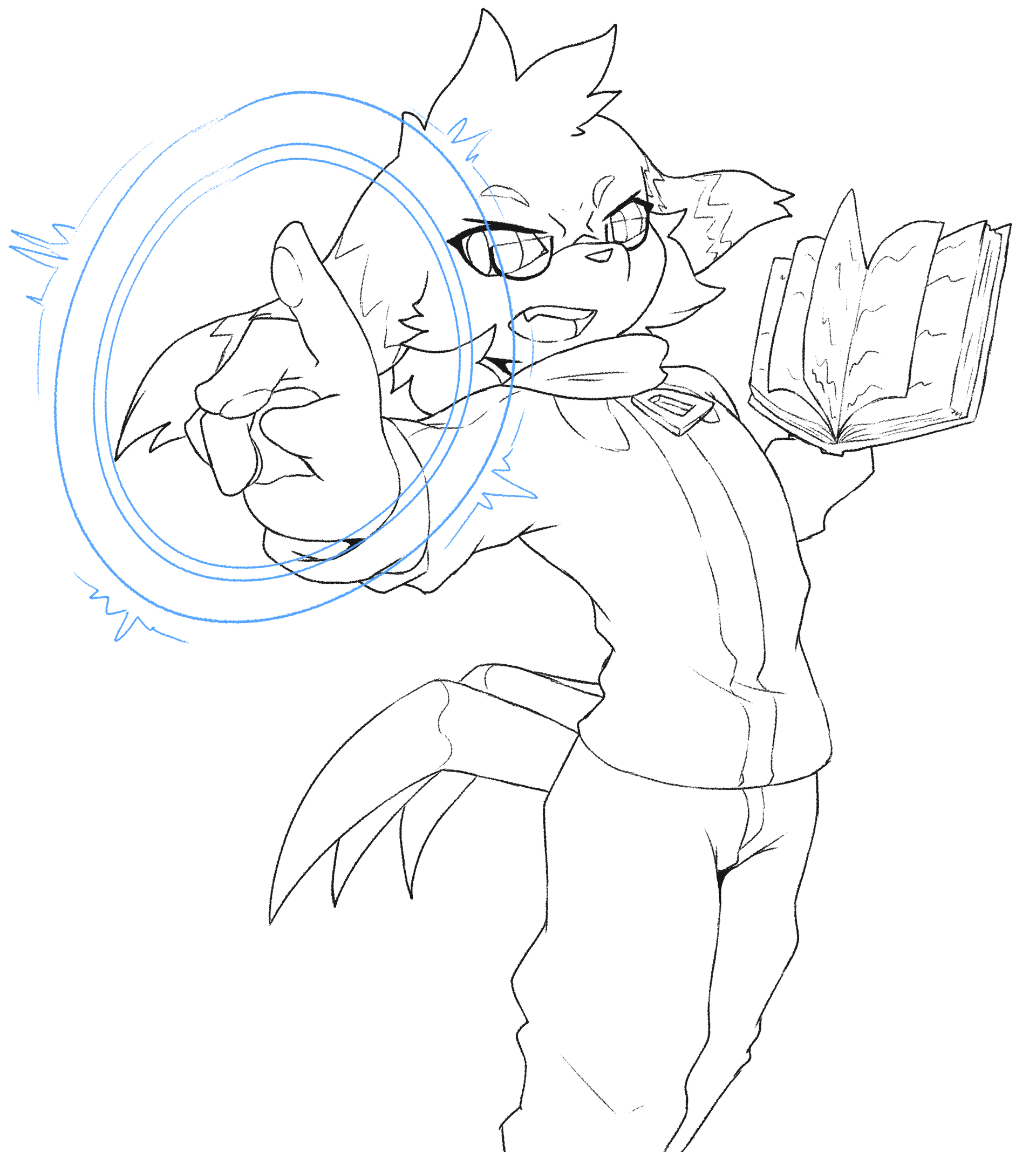
(image by masc0t)
The biggest invention this crystal created, however, was the spellbook. It had long been known that crystalline trees, found all throughout the planet, conducted magic themselves, and paper made from their wood had extreme magical conductance. Once the inert crystal was created, however, this knowledge was combined with that of the runes. Drawing runes and magic circuits on the paper using the magic chalk yielded spells that never burned their circuits, creating reusable spells. By combining these pages into a book, and placing an inert crystal within the circuit connecting the pages somewhere on the cover, the spellbook is complete. When using it, the spell can be cast through one’s body as if it were unassisted, but due to going through the inert crystal and crystal paper, 85% of the potential stress of the spell is kept away from the caster, allowing them access to powerful, complex spells without the fears of damaging themselves.